
Call: 08071931337
 Send Inquiry
 Send Inquiry
Multi Louver Damper
Multi Louver Damper Specification
- Features
- Manual or Motorized Operation, Air Leakage Prevention
- Diameter
- Not Applicable (Rectangular design)
- Usage
- Airflow Regulation
- Color
- Silver / Grey / As Required
- Thickness
- 1.2 mm - 3 mm
- Purity
- Industrial Grade
- Load Capacity
- Medium Duty
- Machines Type
- Ventilation Equipment
- Installation Type
- Flanged / Duct Mounted
- Form
- Damper Frame with Multiple Louvers
- Material Grade
- IS 2062 / EN Standard
- Application
- HVAC Systems, Industrial Ventilation, Air Handling Units
- Product Type
- Multi Louver Damper
- Main Material
- Galvanized Steel / Mild Steel / Aluminum
- Surface Treatment
- Powder Coated / Painted / Galvanized
- Size
- Customized as per requirement
- Weight
- Variant (Depends on size and material)
- Feature
- Corrosion Resistance, Adjustable Louvers, Robust Construction
- Shape
- Rectangular / Square
- Blade Type
- Opposed / Parallel
- Maintenance
- Low, Easy Access for Cleaning
- Packaging
- Wooden Box or Custom Packing
- Blade Material
- Same as main frame or as specified
- Accessories
- Actuators, Position Indicators, Seals
- Control Option
- Manual Handle / Electric Motor / Pneumatic Actuation
- Leakage Rating
- Low Air Leakage Design
- Max Air Velocity
- 15-20 m/s
- End Connection
- Flanged / Slip on / Welded Ends
- Blade Operation
- Linked and Individually Adjustable
- Operating Temperature Range
- -10°C to +80°C
About Multi Louver Damper
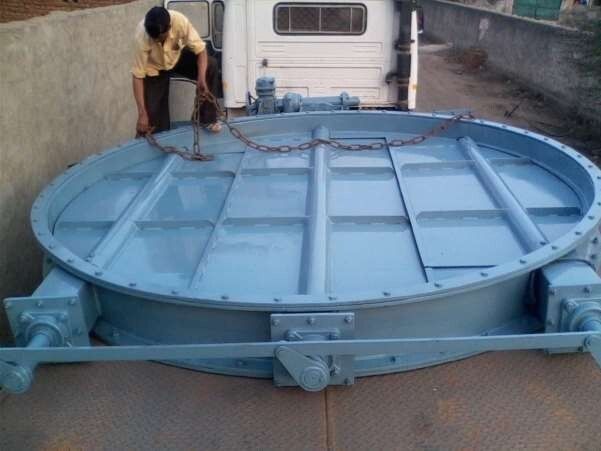
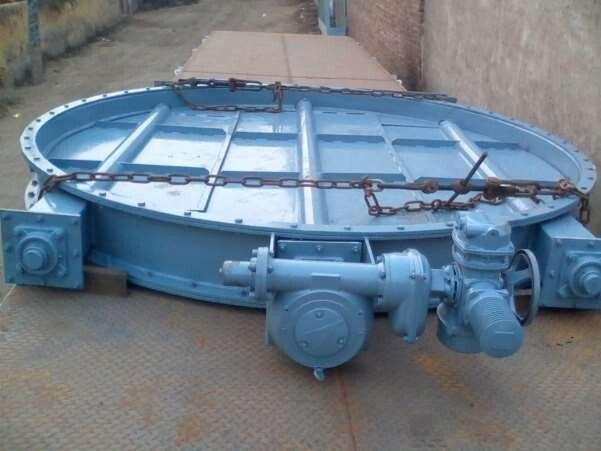
A Multi-Loover (or Multi-Louver) Damper is a type of damper commonly used in HVAC systems (Heating, Ventilation, and Air Conditioning) to control the flow of air or gas through ducts or chimneys. It is designed to regulate the flow of air or gas by changing the angle of its multiple blades or louvers that are fitted inside a duct or a chimney.
The Multi-Louver Damper consists of a frame and multiple blades or louvers that can rotate around a horizontal or vertical axis. The blades can be adjusted manually or automatically through an actuator that can be controlled remotely or by a control system.
When the blades are closed, they prevent the flow of air or gas through the duct or chimney. When they are opened, the air or gas can flow through the duct or chimney with minimal resistance. By adjusting the angle of the blades, the Multi-Louver Damper can control the volume and direction of the air or gas flow.
Superior Airflow Control and Flexibility
This damper provides advanced airflow management with customizable blade adjustmentseither linked or individually operable. Its design suits diverse HVAC and industrial ventilation requirements, allowing installations in air handling units or duct systems. Multiple control options ensure compatibility with manual or automated solutions.
Robust Construction with Corrosion Resistance
Crafted from galvanized steel, mild steel, or aluminum, the dampers frame and blades are built to withstand challenging environments. The available powder coating, painting, or galvanization enhances durability and corrosion resistance, ensuring reliability in medium duty, industrial-grade operations.
Low Maintenance and Easy Installation
With easy access for cleaning and low maintenance requirements, these dampers minimize downtime. Custom sizes and shapesrectangular or squareenable straightforward integration into existing systems, supported by a choice of mounting and end connection methods.
FAQs of Multi Louver Damper:
Q: How does the opposed or parallel blade configuration affect damper performance?
A: Opposed blade arrangements allow for uniform airflow distribution, making them ideal for precise modulation. In contrast, parallel blades are typically used in applications where quick, full opening or closing is required. The configuration is chosen according to specific airflow control needs.Q: What materials are available for constructing these dampers?
A: The Multi Louver Damper can be made from galvanized steel, mild steel, or aluminum. Material selection depends on environmental conditions, corrosion resistance requirements, and client specifications, with all options conforming to IS 2062 or EN Standards.Q: When should I choose manual, electric, or pneumatic operation?
A: Manual operation is suited for accessible locations and infrequent adjustments. Electric actuators are preferable for automated or remote control in sophisticated HVAC systems, while pneumatic actuation is chosen for integration with compressed air systems or where quick response is needed.Q: Where are these dampers typically installed?
A: Multi Louver Dampers are commonly installed in HVAC ductwork, industrial ventilation networks, air handling units, and any place requiring controlled airflow within medium duty, rectangular or square shaft configurations.Q: What is the maintenance process for these dampers?
A: They are designed with easy access for routine cleaning and inspection. Regular maintenance primarily involves checking and lubricating moving parts, inspecting seals, and ensuring actuators (if equipped) function reliably. Their low-maintenance design minimizes service time.Q: What are the key benefits of a low air leakage design?
A: A low air leakage design ensures minimal loss of conditioned or processed air, enhances system efficiency, and contributes to energy savings. It also helps maintain desired pressure and environmental standards in sensitive applications.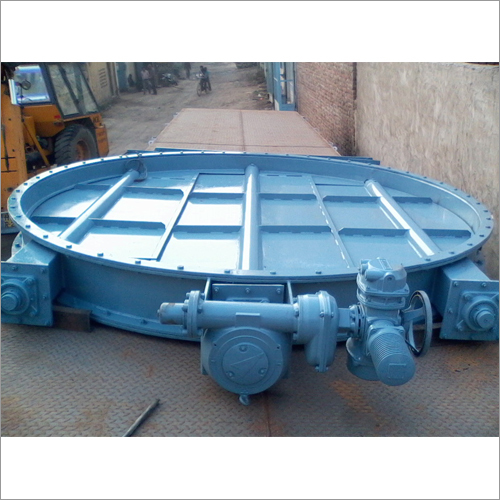
Tell us about your requirement

Price:
Quantity
Select Unit
- 50
- 100
- 200
- 250
- 500
- 1000+
Additional detail
Mobile number
Email

More Products in Damper Category
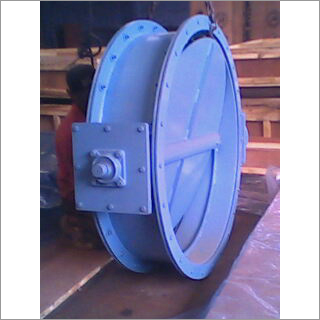
Butterfly Damper
Product Type : Butterfly Damper
Machines Type : HVAC Systems, Industrial Air Handling
Weight : 1550 kg (approx., varies by size)
Thickness : 5 mm (customizable)
Color : Grey
Purity : N/A (Not applicable for fabricated steel products)
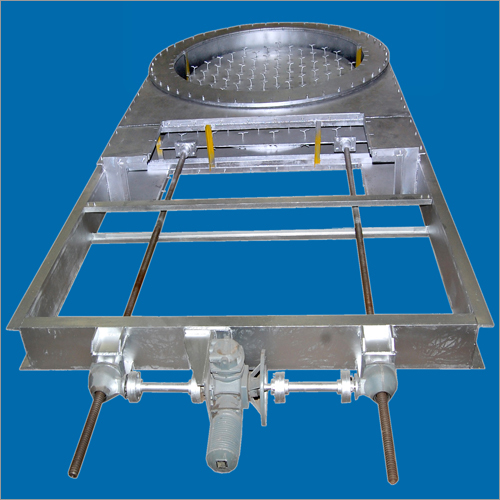
TAD Shut-off Damper
Product Type : Shutoff Damper
Machines Type : Ducting, Air Control Systems
Weight : Varies with size and material
Thickness : 1.2 mm to 3 mm
Color : Silver, Grey, Custom
Purity : Industrial Grade

Contact Details
BHARTI HEAVY ENGINEERING CO.
GST : 06AUDPP8271F1ZH
- WORKS:- Plot No. 2, Gali No-3W, Saroorpur Industrial Area, Nangla Gujran, Faridabad - 121004, Haryana, India
- Phone :08071931337
 Send Inquiry
- OFFICE:- Plot No. 22, Block No.07, Spring Field Colony, Sector-31/33 Faridabad - 121003, Haryana, India
Cell Ph. 09811106271

Developed and Managed by Infocom Network Private Limited.
